When your truck starts acting up, your first thought might be to call a mechanic straight away. We’ve all been there, and it can be frustrating! But what if it’s something simple that you could spot yourself, saving you time, money, and stress?
Recognising early warning signs can help prevent small issues from becoming big—and expensive—problems. In this guide, we’ll show you how to diagnose common truck problems before picking up the phone.
Why Diagnosing Truck Problems Early Matters
Truck downtime can be costly, not just in repairs, but in lost productivity too. By catching issues early, you can:
- Avoid breakdowns on the road.
- Prevent further damage to vital components.
- Improve overall vehicle safety and performance.
Spotting problems early gives you a chance to act on them before they worsen, helping you stay in control of your maintenance costs and timelines.
What Are The Visible and Audible Signs of Trouble?
Many truck problems first appear through physical signs or unusual noises. The trick is knowing what to look for and what to listen to.
If you notice discoloured or foul-smelling smoke coming from the exhaust, it could mean engine oil or coolant is leaking into the combustion chamber. Fluid puddles under your truck might point to oil, brake fluid, or power steering leaks.
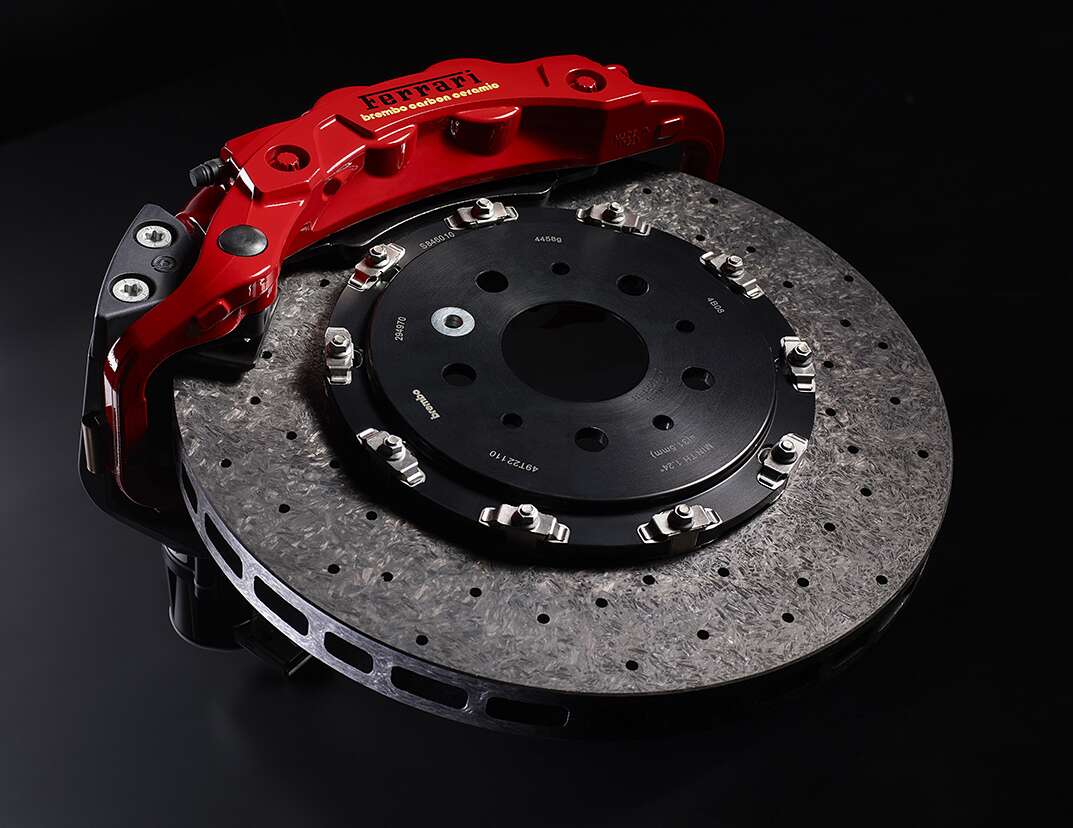
Strange sounds are another common sign. Hearing grinding when you brake? Your brake pads might be worn. A knocking sound under the bonnet? It could signal an engine misfire or damaged bearings.
Don’t ignore these early indicators, they’re your truck’s way of asking for help.
What Dashboard Warning Lights Tell You
Many truck owners get used to seeing a warning light or two glowing on the dashboard. But those lights aren’t just there for decoration, they’re there for a reason, and understanding them can make a big difference.
When the “check engine” light comes on, it means your truck’s onboard computer has detected a fault. It could be something as small as a loose fuel cap or as serious as a catalytic converter issue. Similarly, brake system alerts or oil pressure warnings should never be dismissed.
Instead of guessing, consult your truck’s manual and pay attention to any patterns in how the truck is performing. Is the light flashing or steady? Does it come on during acceleration? These clues can help guide your next steps.
What Are The DIY Steps to Troubleshoot Truck Problems?
Before calling a mechanic, it’s worth taking a closer look yourself. Many truck issues start with something that’s visible or can be felt while driving.
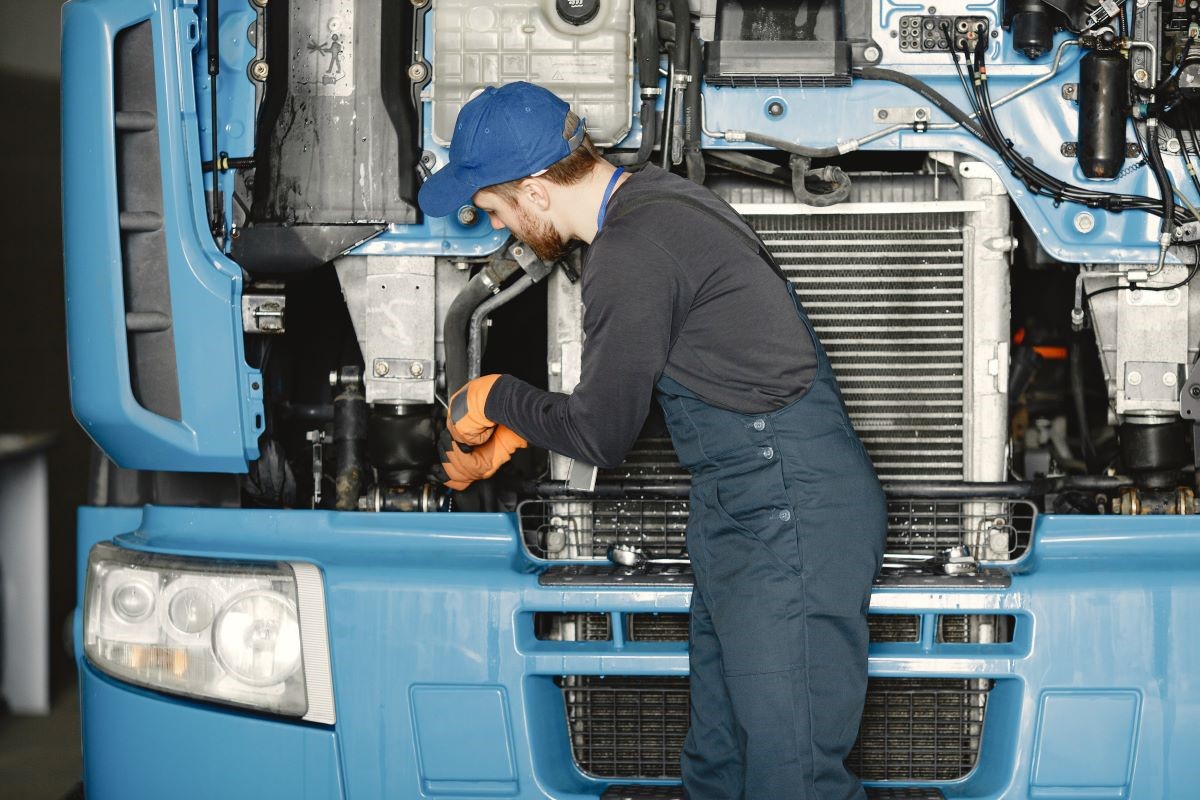
Start with a quick walk-around. Check for worn tyres, cracked hoses, or anything hanging beneath the chassis. Open the bonnet and inspect the belts, fluid levels, and battery terminals for corrosion or looseness.
Next, start the engine and listen carefully. Are you hearing clicking, knocking, or whining sounds? Take the truck for a short drive and pay attention to how it shifts gears, brakes, and steers.
If your vehicle has one, you can also plug in a basic OBD-II scanner. It’ll read error codes stored in the system and give you a clue about the problem. It’s a helpful way to gather some context before calling in professional help.
When Is It Time to Call a Mobile Truck Mechanic?
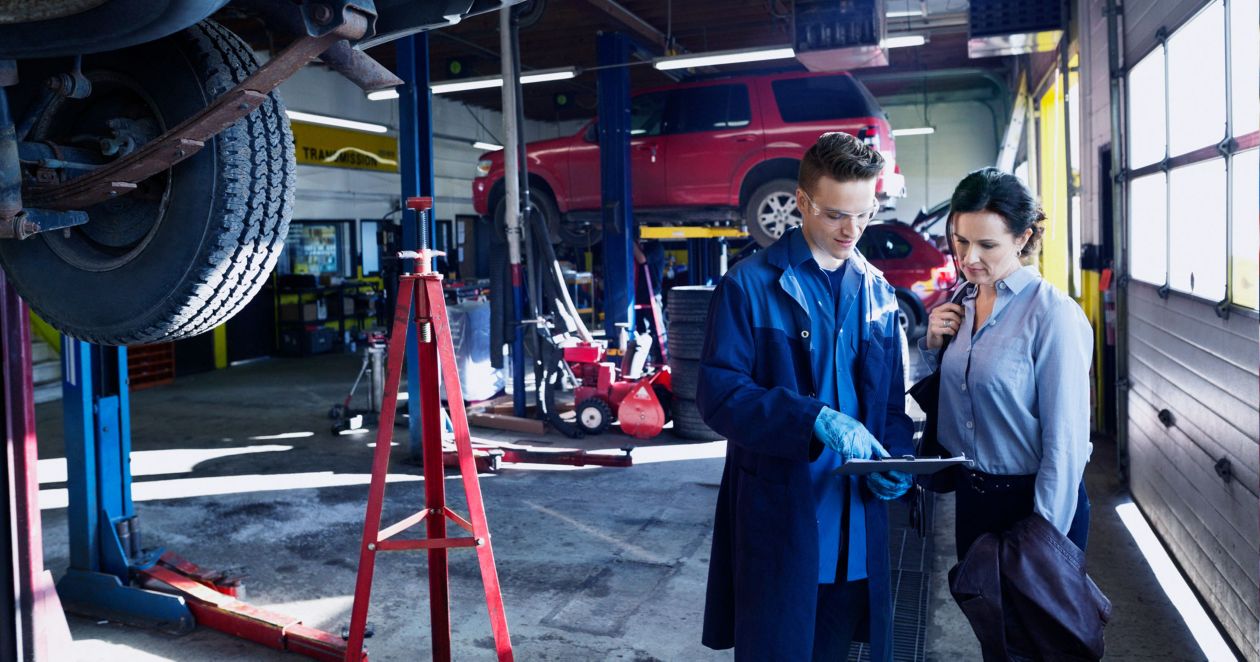
Not every issue can be diagnosed or fixed with a quick visual check. If your truck refuses to start, is losing power quickly, or is making concerning noises, it’s best to stop driving and get help right away.
This is where a mobile truck mechanic can make all the difference. Instead of organising a tow and waiting days for a workshop appointment, a mobile technician can come to your location. They’re equipped with diagnostic tools and can often resolve the issue on-site, saving you valuable time and money.
Mobile mechanics are especially valuable for commercial fleets or heavy-duty trucks, which can be costly to transport and difficult to manage off-site.
What Is The Role of EWP Service in Truck Maintenance?
Some trucks, particularly those used in construction or utilities, come with additional machinery like booms or lifts. These elevated systems are powered by hydraulics and require their own specialised attention.
This is where an EWP (Elevated Work Platform) service comes in. These services focus on the maintenance, safety checks, and repairs of lifting equipment attached to trucks.
If you notice issues like slow or jerky lift movement, fluid leaks from hydraulic lines, or the platform failing to reach full height, it’s time for a professional inspection. Regular EWP servicing ensures smoother operation and helps you stay compliant with safety regulations.
What Are Some Preventive Habits to Reduce Truck Problems?
Preventing problems is always better than fixing them. Here are a few habits that can make a big difference:
- Stick to your truck’s recommended servicing schedule. Routine oil changes, filter replacements, and system checks go a long way in keeping things running smoothly.
- Get in the habit of daily walk-arounds. Check your tyres, lights, mirrors, and fluid levels before hitting the road. It only takes five minutes and could save you from a roadside breakdown.
- Encourage your drivers (if you manage a fleet) to report any changes, no matter how small, immediately. Catching an issue early is often the best repair strategy.
- Finally, keep a clear record of all maintenance and repairs. This helps identify patterns and ensures nothing falls through the cracks.
Final Thoughts
Truck problems can feel overwhelming but diagnosing them doesn’t always require expert tools or years of experience. Many issues reveal themselves through visible changes, warning lights, or subtle sounds.
By recognising the early signs and taking simple diagnostic steps, you can avoid unnecessary repairs, stay safe on the road, and make smarter maintenance decisions.
When things go beyond your control, calling in a trusted mobile truck mechanic or scheduling an EWP service is often the smarter, more convenient choice than waiting for a workshop.
Take control of your truck’s health, and it’ll keep you moving forward.