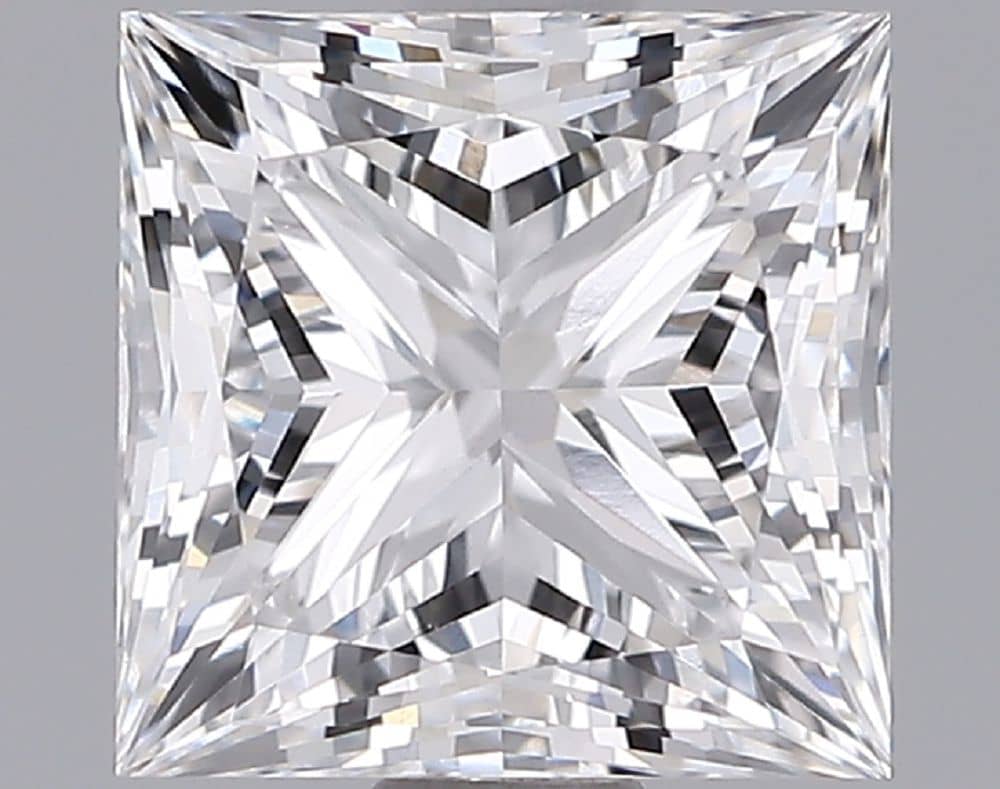
Lab grown diamonds are changing the jewelry world. Not long ago, if you wanted a diamond, you had to buy one mined from deep in the earth. These days, you can choose diamonds that are made in a lab, but are just as real. This new option is attracting people who want a beautiful diamond, but with less environmental impact and often a lower price. Some even say lab created gems are the future of fine jewelry. In places like lab grown diamonds Singapore, the trend is growing fast, showing how global this shift is becoming.
You may wonder: what are these diamonds, really? How are they made? Are they truly the same as natural diamonds? Why do people choose them, and what should you watch out for if you want to buy one? This article will give you clear answers, practical tips, and surprising facts. By the end, you’ll know everything you need about lab grown diamonds, from how they compare to natural stones, to how they’re changing the world of jewelry.
What Are Lab Grown Diamonds?
Lab grown diamonds are diamonds created in laboratories using advanced technology. They have the same chemical, physical, and optical properties as natural diamonds. In simple words, they are real diamonds, but made above ground, not below it.
There are two main ways to create these gems:
- High Pressure High Temperature (HPHT): Scientists mimic the conditions found deep underground. A small diamond seed is placed in carbon. High heat and pressure turn the carbon into a diamond crystal around the seed.
- Chemical Vapor Deposition (CVD): This method uses a vacuum chamber filled with carbon-rich gas. The gas breaks down, and pure carbon sticks to a diamond seed, growing layer by layer.
Both methods can produce high-quality diamonds. To most people—even experts—lab grown and mined diamonds look the same.
How Are Lab Grown Diamonds Different From Natural Diamonds?
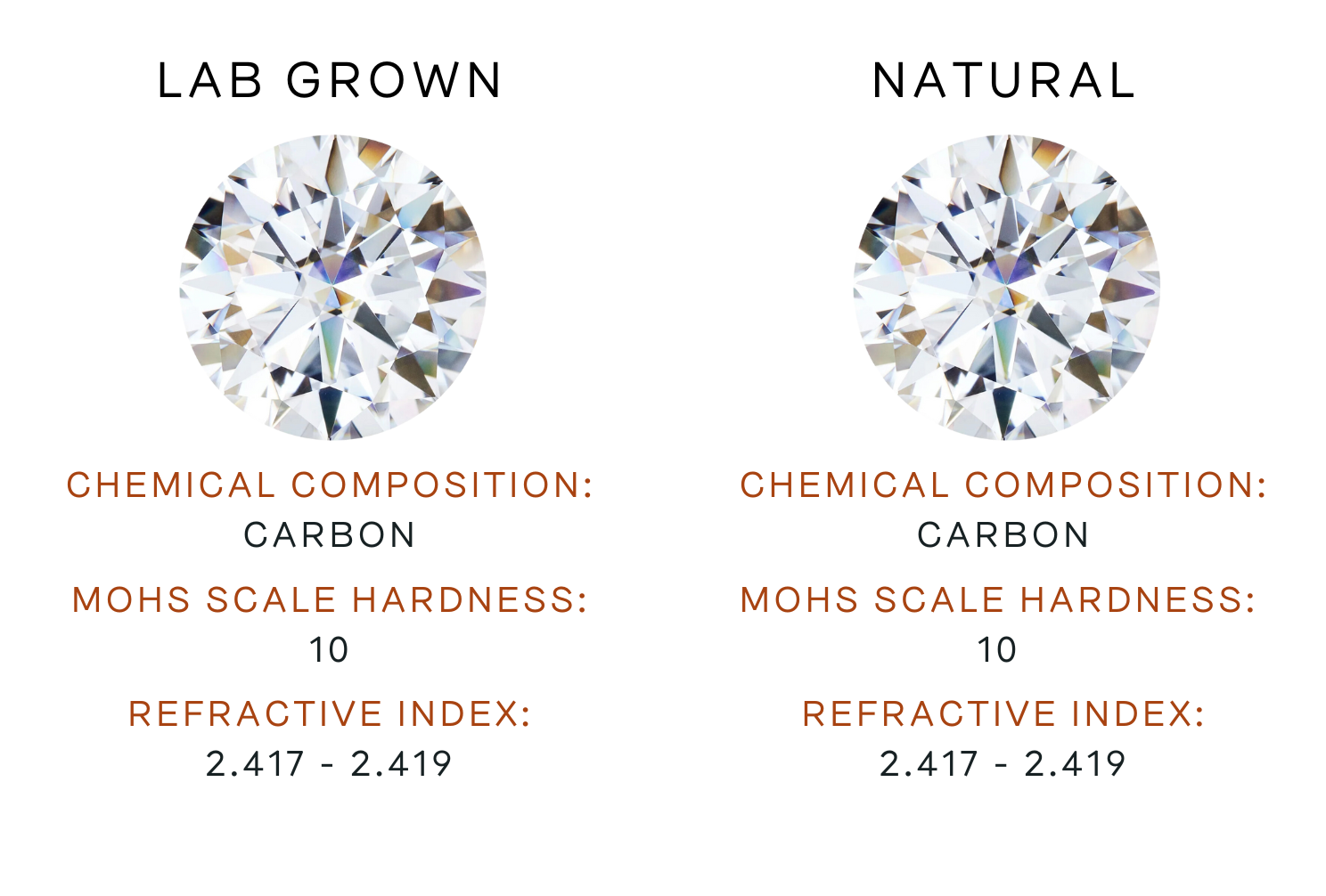
At their core, lab grown and natural diamonds are both pure carbon crystals arranged in the same way. The main difference is where they are formed:
- Natural diamonds: Created over billions of years, deep inside the Earth, then mined.
- Lab grown diamonds: Made in a few weeks or months in laboratories.
This difference in origin can affect price, availability, and sometimes the presence of tiny impurities. Natural diamonds often contain small bits of other elements trapped during formation. Lab grown diamonds can be made almost perfect or with similar inclusions, depending on the process.
Another difference is trace elements. Lab diamonds may have metallic inclusions or patterns showing their growth method, but these are usually only visible under a microscope.
Why Are Lab Grown Diamonds Becoming Popular?
Several reasons are driving the popularity of lab grown diamonds:
- Ethical concerns: Some mined diamonds are linked to conflict or poor working conditions. Lab grown gems avoid these issues.
- Environmental impact: Mining can harm ecosystems, use lots of water, and create pollution. Labs use less land and water, and they don’t dig huge holes in the earth.
- Price: Lab diamonds usually cost 30–50% less than mined ones of similar quality.
- Customization: Labs can produce diamonds in different shapes, sizes, and even colors more easily than nature can.
- Transparency: It’s easier to know the origin and story of a lab grown diamond.
Especially in cities like lab grown diamonds Singapore, young buyers care about ethics and the environment. They also like the value for money and modern image of these stones.
The Science Behind Lab Grown Diamonds
Understanding how labs create diamonds can help you see why they are real, not fake. Both HPHT and CVD methods start with a diamond seed—a tiny piece of diamond.
- In HPHT, the seed sits in pure carbon under high heat (over 1,400°C) and pressure (over 1.5 million pounds per square inch). The carbon melts and builds up around the seed, forming a larger diamond.
- In CVD, a thin diamond seed is placed in a chamber with gases like methane and hydrogen. The gases break apart, and carbon atoms settle on the seed, slowly building a diamond crystal.
Both methods can be controlled to produce diamonds with specific sizes, shapes, and qualities. Labs can even make colored diamonds, such as blue or pink, by adding elements like boron or nitrogen.
Comparing Lab Grown And Natural Diamonds
When you look at a diamond, can you tell if it’s lab grown or mined? For most people, the answer is no. Here’s a direct comparison to make it clearer:
| Feature | Lab Grown Diamond | Natural Diamond |
| Origin | Laboratory | Earth (mined) |
| Chemical Structure | Pure carbon (C) | Pure carbon (C) |
| Visual Appearance | Identical | Identical |
| Inclusions | Possible, but often fewer | Common, natural |
| Price | 30–50% less | Higher |
| Environmental Impact | Lower | Higher |
| Resale Value | Lower (currently) | Higher |
The 4cs Of Lab Grown Diamonds
Just like natural diamonds, lab grown diamonds are graded using the 4Cs:
- Carat: The weight or size of the diamond. Lab diamonds can be made in large or small sizes.
- Cut: How well the diamond is shaped and polished. A perfect cut reflects light beautifully.
- Color: The absence or presence of color. The best diamonds are colorless, but labs can create fancy colors too.
- Clarity: How free the diamond is from tiny flaws (inclusions).
Certified labs like GIA or IGI use the same rules for grading lab and natural diamonds. Always ask for a certificate when buying.
Environmental And Ethical Benefits
One of the main reasons people choose lab grown diamonds is because they want a cleaner, fairer choice.
- Less land and water use: Lab diamonds need only a small lab, not a giant mine.
- Lower carbon footprint: Some studies say lab diamonds use up to 7 times less water and 50% less energy than mined diamonds.
- No “blood diamonds”: Lab diamonds are guaranteed conflict-free.
- Safer working conditions: Workers in labs face fewer risks than miners.
It’s worth noting, though, that labs use a lot of energy, especially if they run on fossil fuels. Some companies now use renewable energy to reduce their impact even more.
Lab Grown Diamonds And The Global Market
The market for lab grown diamonds is booming. In 2016, they made up less than 1% of the global diamond market. By 2023, their share grew to about 10%. Experts predict this will keep rising, especially as technology gets better and prices drop.
Places like the US, India, China, and Singapore are big markets. Lab grown diamonds Singapore is a keyword that shows how strong the trend is in Asia. Local jewelers there report rising demand, especially among young couples.
The global lab diamond market was valued at around $22 billion in 2023 and is expected to reach over $35 billion by 2030. This fast growth is partly due to more people wanting ethical, affordable jewelry and more brands offering lab grown choices.
Are Lab Grown Diamonds Real?
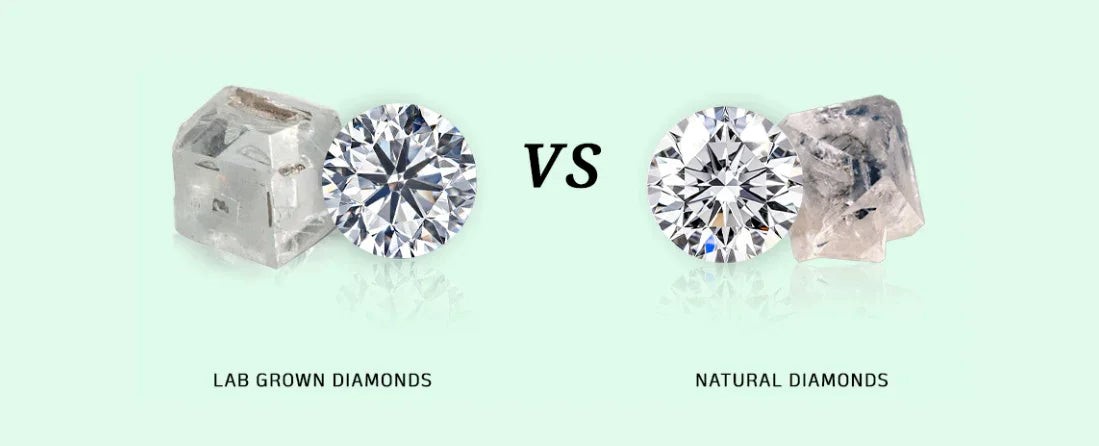
This question comes up all the time. The answer is yes, lab grown diamonds are real. They have the same structure, sparkle, hardness, and beauty as natural diamonds. They test positive on diamond testers. Even skilled gemologists need special equipment to tell them apart.
Lab diamonds are not fake, not cubic zirconia, not moissanite. They are pure diamond. The only difference is their origin.
Common Myths About Lab Grown Diamonds
There are some big myths that confuse buyers. Let’s clear them up:
- “They are fake or cheap.” False. Lab diamonds are real diamonds. Their lower price is due to shorter supply chains, not lower quality.
- “They don’t last.” Lab diamonds are as hard as mined diamonds (10 on the Mohs scale). They will last for generations.
- “They aren’t valuable.” Lab diamonds hold value, but their resale market is still new. As they become more common, this may change.
- “You can tell the difference with your eyes.” Not true. Only advanced lab tests can reliably spot the tiny clues of lab growth.
Buying Lab Grown Diamonds: What You Need To Know
If you are thinking about buying a lab grown diamond, here are the most important things to consider:
1. Certification
Always buy a certified diamond. Reliable labs like GIA, IGI, or GCAL grade lab grown diamonds. The certificate lists the 4Cs, origin, and sometimes the growth method.
2. Compare Prices
Lab grown diamonds cost less than natural ones, but prices can vary. Compare similar stones from different sellers. Watch out for deals that seem “too good to be true. ”
3. Understand Resale Value
Lab diamonds often have lower resale value than mined ones. If you plan to sell in the future, keep this in mind. However, for most buyers, diamonds are a personal purchase, not an investment.
4. Look For Quality
Don’t just buy the biggest stone. Check the cut, color, and clarity. A well-cut, clear diamond will sparkle more than a bigger, poorly cut one.
5. Ask About The Growth Method
Some buyers prefer CVD over HPHT, or vice versa, depending on their preferences about color or clarity. Ask your jeweler for details.
6. Consider The Setting
Many jewelers offer settings designed for lab grown stones. Choose a setting that protects and shows off your diamond.
7. Shop At Reputable Stores
Buy from trusted jewelers or big brands with good reviews. In markets like lab grown diamonds Singapore, there are now specialized shops and online retailers with strong reputations.
8. Ask About The Warranty
A good jeweler offers a warranty or return policy. This protects you if there are problems later.
How To Spot A Lab Grown Diamond
For most people, it’s impossible to tell a lab diamond from a natural one just by looking. Even jewelers need special tools. However, certified diamonds are usually laser-inscribed on the girdle (the thin edge around the widest part). This tiny inscription tells you if it’s lab grown.
Some signs under a microscope include:
- Metallic inclusions (from HPHT)
- Growth patterns (from CVD)
But without advanced equipment, these are invisible.
Lab Grown Diamonds Vs. Other Diamond Alternatives
Lab grown diamonds are not the same as other diamond look-alikes. Here’s how they compare:
| Stone | Looks Like Diamond? | Hardness (Mohs) | Price (per carat) | Real Diamond? |
| Lab Grown Diamond | Yes | 10 | $$ | Yes |
| Moissanite | Yes (more sparkle) | 9.25 | $ | No |
| Cubic Zirconia | Yes (less sparkle) | 8–8.5 | $ | No |
| White Sapphire | Somewhat | 9 | $ | No |
| Natural Diamond | Yes | 10 | $$$ | Yes |
Lab diamonds offer the same brilliance and hardness as mined diamonds, making them the best alternative if you want a true diamond without mining.
The Future Of Lab Grown Diamonds
Many experts believe lab grown diamonds will become more common in the coming years. Technology keeps improving, making bigger, better stones at lower costs. Even top jewelry brands now offer lab grown options.
Some people still prefer natural diamonds for their history or rarity. Others are drawn to the sustainability, price, and modern image of lab grown gems. As younger generations become the main buyers, demand for ethical, affordable diamonds is likely to grow.
One non-obvious insight: As lab diamonds become the norm for engagement rings and everyday jewelry, natural diamonds may become even more of a luxury item—valued for rarity, not just beauty.
Lab Grown Diamonds And Customization
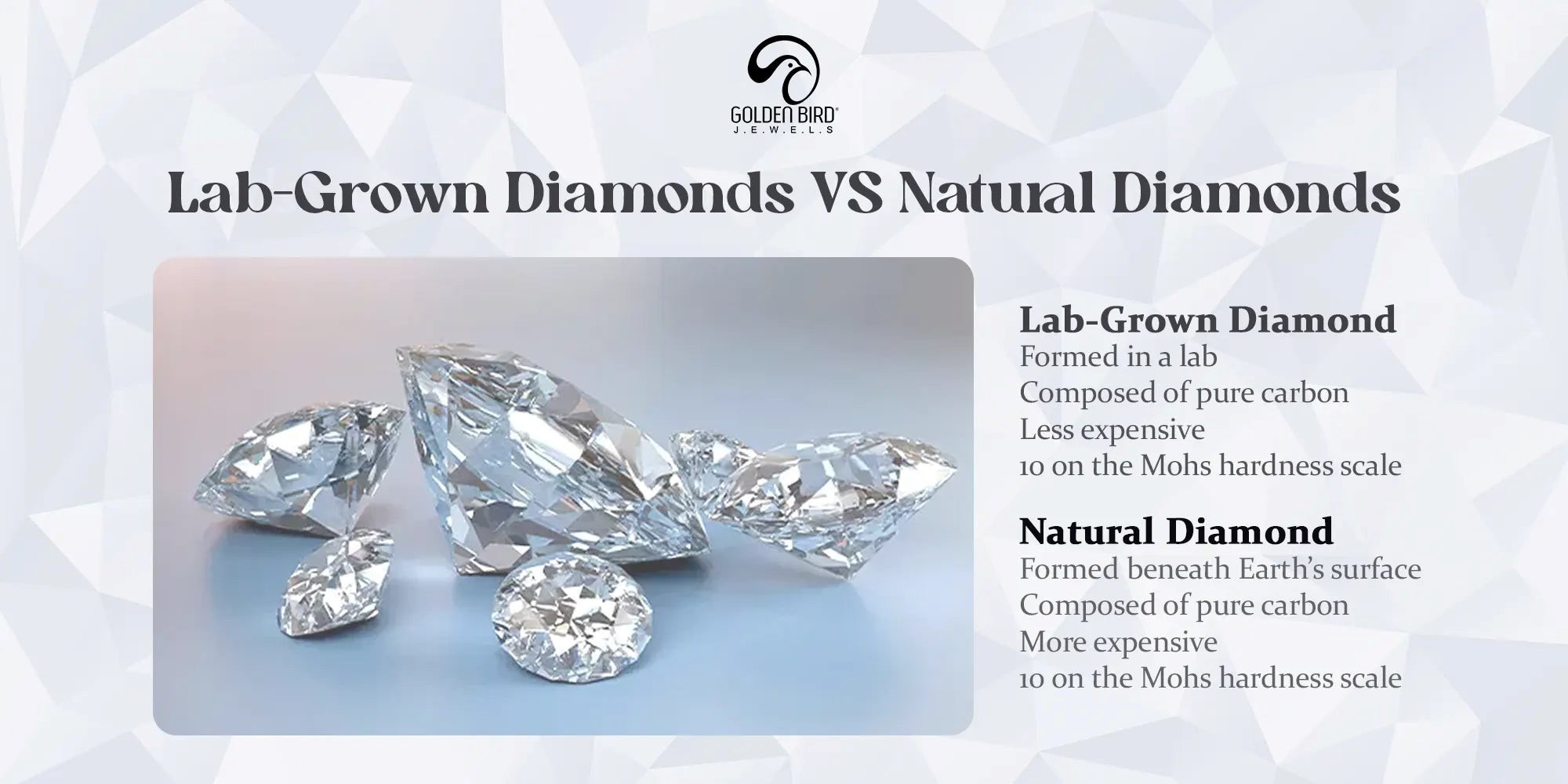
One of the great advantages of lab grown diamonds is customization. Because labs control the process, they can:
- Make diamonds in unusual shapes or sizes
- Create fancy colors (blue, pink, yellow) by adding trace elements
- Offer matched pairs for earrings or multi-stone rings
This opens up creative options for designers and buyers. If you want something unique, lab grown diamonds let you dream bigger.
How To Care For Lab Grown Diamonds
Caring for a lab grown diamond is just like caring for a mined one:
- Clean regularly: Use warm water, mild soap, and a soft brush.
- Store safely: Keep your diamond jewelry in a soft pouch or box.
- Avoid harsh chemicals: Remove your ring before using strong cleaners or swimming in pools.
- Check settings: Have a jeweler check prongs and settings each year.
Lab diamonds are just as tough as natural ones, but good care keeps them sparkling for life.
Lab Grown Diamonds In Engagement And Wedding Jewelry
The number of couples choosing lab grown diamonds for engagement rings is growing every year. The reasons are clear:
- You can get a bigger or better-quality diamond for the same price.
- You avoid ethical and environmental worries.
- It’s a modern choice that fits today’s values.
Some couples even choose colored lab diamonds for a unique look. In places like lab grown diamonds Singapore, jewelers now offer full lines of lab grown engagement rings and wedding bands.
Challenges And Criticisms
Lab grown diamonds have many fans, but also some critics. Here are some of the main challenges:
- Resale value: The resale market is less developed than for natural stones. If you want to sell later, you may get less than you paid.
- Perception: Some people still see lab diamonds as “less special” than natural ones. This is changing, but slowly.
- Energy use: Some labs use a lot of power. If you care about carbon footprint, ask if the company uses renewable energy.
- Market confusion: Some sellers do not clearly label lab grown vs. natural stones, so always ask for proof.
Lab Grown Diamonds And Technology
The rise of lab grown diamonds is a story of science and technology. Advances in material science, lasers, and high-pressure machines have made lab diamonds possible. Today, some labs can grow a 1-carat diamond in just 2–4 weeks.
Ongoing research aims to make the process even more efficient, with less energy and higher yield. Some companies now recycle carbon from the air to make diamonds, creating “carbon negative” gems. This could change the jewelry market and even help fight climate change.
If you want to read more about the science, visit the Wikipedia page on synthetic diamonds.
The Role Of Lab Grown Diamonds In Sustainability
For many buyers, sustainability is a top reason to choose lab grown diamonds. Here’s how they help:
- No destructive mining: No need for giant pits, blasting, or moving tons of earth.
- Lower emissions: Some labs use only renewable energy, shrinking their carbon footprint.
- Less water use: Lab diamonds use a fraction of the water needed for mining.
- No conflict funding: You can be sure your diamond did not fund wars or exploitation.
It’s important to research your jeweler. Some lab diamonds are made using cleaner energy than others.
Real-life Example: Lab Grown Diamonds Singapore
Singapore is a great example of how lab grown diamonds are changing the market. In just a few years, the city has seen a surge in new stores and online shops selling lab diamonds. Young buyers, especially, see them as cool, ethical, and good value.
Jewelers in Singapore often offer custom designs and a wide range of lab grown stones. They also educate buyers about the benefits and science behind the gems. This trend shows how quickly opinions about diamonds are shifting around the world.
Practical Tips For First-time Buyers
If you’re thinking about buying a lab grown diamond, keep these tips in mind:
- Set a budget before you shop.
- Decide on the shape and size you want.
- Learn about the 4Cs so you can compare options.
- Ask for a certificate from a trusted lab.
- Compare stores—online and in person.
- Check return policies and warranties.
- Don’t be afraid to ask questions.
And remember, the right diamond is one that makes you happy—whether it comes from the ground or a lab.
Frequently Asked Questions
What Are Lab Grown Diamonds Made Of?
Lab grown diamonds are made of pure carbon, just like natural diamonds. The carbon atoms are arranged in a crystal structure, making them identical in hardness and appearance to mined diamonds.
Are Lab Grown Diamonds Cheaper Than Natural Diamonds?
Yes, lab grown diamonds usually cost 30–50% less than mined diamonds of the same size and quality. The price difference is due to faster production and fewer middlemen, not lower quality.
Can You Tell The Difference Between Lab Grown And Natural Diamonds?
To the eye, no. Lab grown and natural diamonds look the same. Only trained experts using special equipment can tell them apart, often by looking for tiny internal clues.
Are Lab Grown Diamonds A Good Investment?
Lab grown diamonds are beautiful and real, but their resale value is usually lower than natural diamonds. They are a great choice for personal enjoyment, but not the best for investment.
How Do I Know If My Diamond Is Lab Grown?
Check the certificate from a trusted grading lab. Many lab grown diamonds also have a tiny laser inscription on the edge, saying “lab grown.” Always ask your jeweler for proof.
Lab grown diamonds are more than a trend—they are a real, modern choice for people who want beauty, value, and ethics. The world of jewelry is changing, and with lab grown diamonds, you can shine with confidence and a clear conscience.