Buying diamonds in New Zealand is safe and straightforward when you check the grading report, compare prices across local and online sellers, and verify the store’s return policy. The best tips for finding quality stones here focus on reading independent certificates rather than trusting a salesperson’s description alone.
Tips for Checking Diamonds Before You Buy
Every loose stone or engagement ring should come with a grading report from an independent lab like GIA or IGI. That document tells you exactly what you’re paying for, listing the cut, color, clarity, and carat weight without any sales spin. If a jeweler can’t provide one, walk away.
New Zealand doesn’t have its own national grading body, so these international certificates are your only reliable proof of quality. A store might claim a stone is high grade, but without that paperwork, you have no way to confirm it yourself. Always ask to see the physical certificate before handing over any money.
You’ll also want to look at the laser inscription on the stone’s edge under magnification. It matches the number printed in the report, proving the diamond sitting in front of you is the exact one they graded.
How Much Should You Expect to Pay?
Prices change based on where you shop. Physical stores in Auckland or Wellington carry higher overhead costs, which usually means you’ll pay more than buying from online retailers shipping to New Zealand.
If you buy from overseas, remember that New Zealand Customs charges GST and duty on imported jewelry. That extra cost can shrink your savings quickly, so calculate the final landed price before deciding. Sometimes a local shop ends up costing about the same once those import fees hit your bill.
Tip: Ask the seller for the total delivered price including all taxes before you compare it against a local shop’s tag.
Is It Safe to Buy Lab-Grown Stones Here?
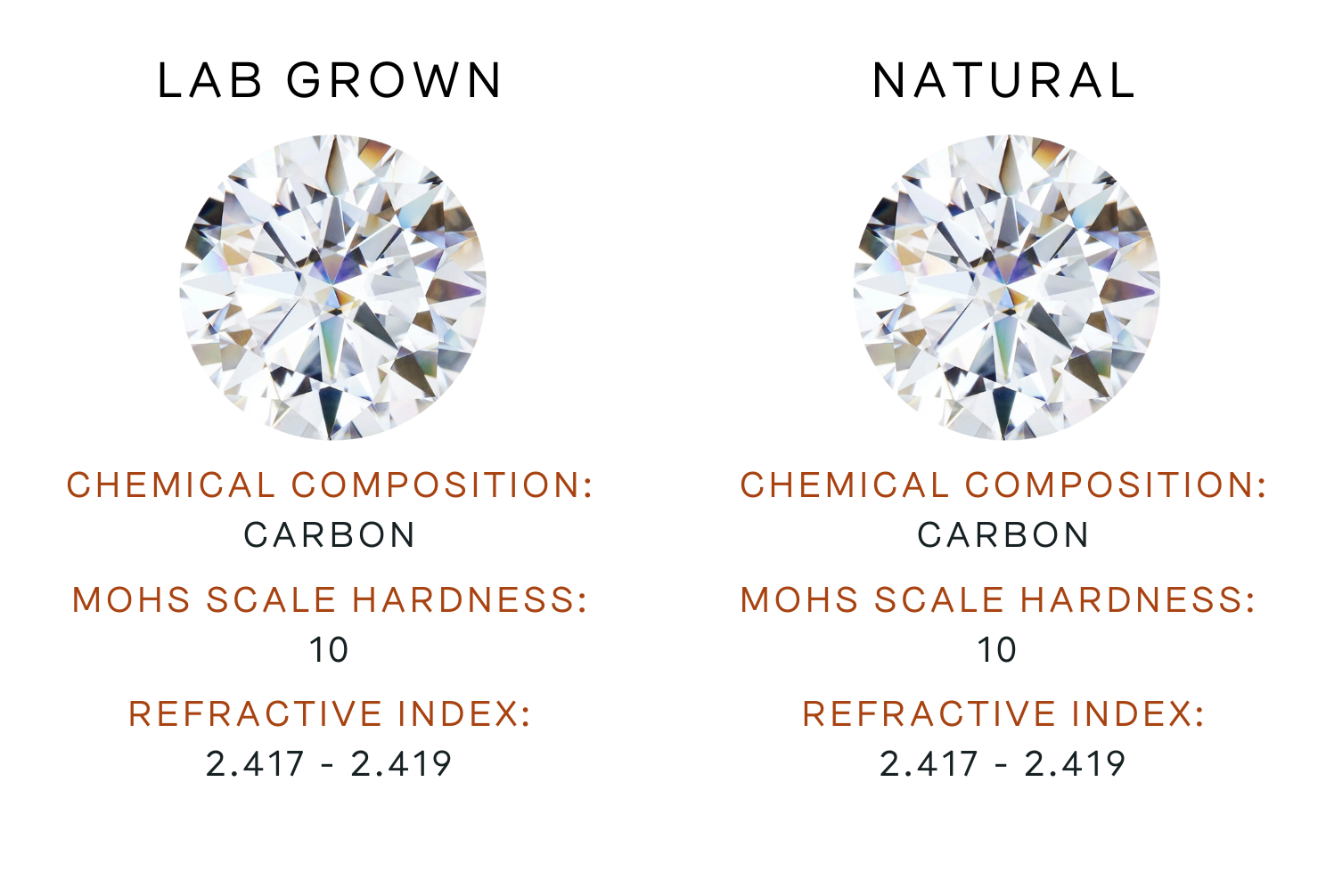
Yes, lab grown diamonds NZ are widely available in New Zealand and are chemically identical to mined stones. They cost significantly less, making them a popular choice if you want a larger size for your budget. The trade-off is that they hold very little resale value compared to natural stones.
This option isn’t for everyone. If you view the purchase as a long-term asset or care deeply about geological rarity, a natural stone fits your needs better. But if you just want maximum sparkle for the money, you spend today, lab-grown makes sense.
Make sure the certificate clearly states “laboratory grown.” Some sellers mix them together in display cases, and you don’t want to pay natural prices for a man-made product. Both types get graded using the exact same scale, so the report remains your most important tool regardless of origin.
Mistakes That Cost Buyers Money
Skipping the certificate is the fastest way to overpay. Without it, you can’t verify if the stone has hidden flaws that drop its real value. Another common error is focusing only on carat weight while ignoring the cut grade. A poorly cut heavy stone looks smaller and darker than a well-cut lighter one.
Don’t assume every jeweler in a major city offers fair pricing. If you skip comparing at least three quotes, you’ll likely miss out on better deals. Finally, never buy without checking the return policy first. Rings often need to resize or look different in natural sunlight outside the store’s bright display lights.
Frequently Asked Questions
Do I need to pay customs tax on overseas orders?
Yes, New Zealand Customs collects GST and duty on imported jewelry above a certain threshold. You’ll pay this when the package arrives, so factor it into your total budget before ordering from an international website.
Can I trust a store’s in-house appraisal?
No, an in-house appraisal isn’t an independent grading report. Stores use them mostly for insurance purposes, and the numbers are often inflated. Always demand a certificate from a recognized external laboratory instead.
Which shape hides flaws the best?
Round brilliant cuts hide internal flaws better than step cuts like emerald shapes. If you’re working with a lower clarity grade, stick to round or oval stones so inclusions stay invisible to the naked eye.
Conclusion
Start by browsing certified inventory online to establish a baseline price for the specifications you want. Once you know the numbers, visit two or three local shops to compare their offerings lab diamonds Australia against that benchmark in person.